Venice's labyrinth of bridges and canals presents unique challenges for travelers with limited mobility. Over 15% of visitors report accessibility concerns as their primary stressor when visiting the Floating City, with many unaware that 432 of Venice's bridges lack ramps. The emotional toll of navigating uneven cobblestones or missing out on iconic sights can overshadow what should be a magical experience. Yet with proper planning, Venice reveals itself as surprisingly accommodating - from specially equipped water taxis to hidden elevator-equipped bridges known mostly to locals. This guide focuses on practical solutions that transform an potentially stressful trip into the Venetian dream you deserve.
Navigating Venice's bridges without the struggle
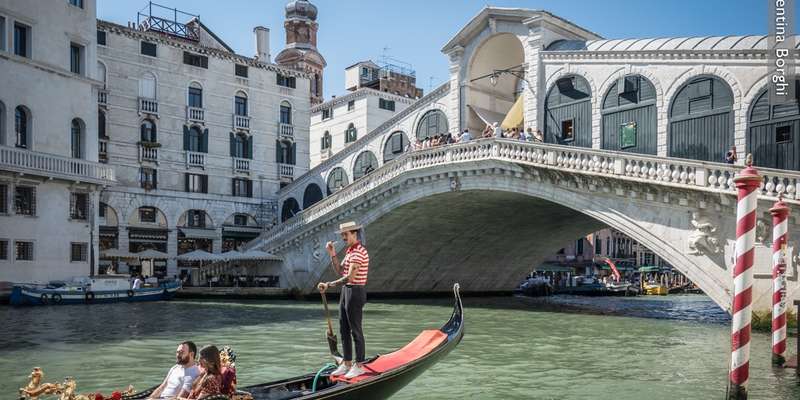
The reality of Venice's 435 bridges daunts many mobility-challenged travelers, but strategic route planning makes all the difference. While only three bridges have elevators (Calatrava, degli Scalzi, and Accademia), locals know the 'bridge-free corridors' - continuous pathways along canals with minimal elevation changes. The Fondamente Nove to Cannaregio route offers nearly 2km of accessible waterfront walking. For crossing canals, the traghetto gondola ferries (€2) provide wheelchair-friendly transport at seven key points. Morning hours (8-10am) see fewer crowds at critical chokepoints like Rialto. Savvy travelers mark the ACTV's accessible vaporetto stops (San Zaccaria, Piazzale Roma) where boarding ramps deploy automatically. A little-known gem? The pedestrian route from Santa Lucia station to St. Mark's via Lista di Spagna has just four bridges, all with gentler inclines than average.
UPDATES FOR YEAR 2026
Mastering Accessible Venice: Essential Entry Exemptions and New Transportation Savings
Current logistics for the lagoon city now require navigating a new digital layer alongside the physical one. While the city has expanded its Access Fee system for day-trippers, travelers with disabilities and their companions are fully exempt from this charge. However, to avoid fines at major checkpoints like the train station and Piazzale Roma, you must pre-register on the official municipal portal to obtain a mandatory exemption QR code. On the water, the financial burden has lessened significantly: the dedicated mobility fare for a 75-minute vaporetto journey remains highly subsidized for wheelchair users, and the most vital update for current travel is that one accompanying person now travels entirely free of charge on all ACTV lines. Furthermore, most civic and state museums, including the Doge’s Palace, have streamlined their 'Priority Access' protocols; presenting a disability card at the entrance now typically bypasses the primary queue for both the visitor and their assistant without the need for a pre-purchased ticket.
View all Tours
Accessible water transport options that actually work
Venice's vaporetto network can be surprisingly accommodating when you know which lines and stops cater to limited mobility. Lines 1 and 2 feature wheelchair-accessible boats with priority boarding at 12 major stops including Ferrovia (train station) and San Marco. The secret? Look for the blue wheelchair symbol on schedules - these indicate boats with widened doors and dedicated spaces. For a more comfortable experience, the Alilaguna orange line from the airport uses larger vessels with onboard staff assisting. Those needing door-to-door service should consider Venice's unique accessible water taxis; while pricier (€70-100), companies like Consorzio Motoscafi provide vessels with hydraulic platforms. Pro tip: The 'avviso' button at docks alerts captains to prepare the ramp - most tourists never use this essential feature.
View all Tours
Where to stay: Barrier-free hotels with local charm
Choosing the right neighborhood is crucial for accessible Venice stays. Cannaregio and Castello districts offer flatter terrain and proximity to vaporetto hubs, with gems like Hotel Sant'Antonin featuring roll-in showers and elevator access just 200m from Fondamente Nove. The four-star Hotel Metropole near San Marco provides portable ramps for its historic entrance, while Palazzo Veneziano boasts Venice's only fully accessible spa. Lesser-known options include Locanda Ca' Le Vele with its canal-side wheelchair-friendly dock. A key insight: 'accessible' in Venice often means creative solutions - many hotels keep collapsible ramps for their one-step entries. Always confirm if they can accommodate your specific mobility device, as 'Venetian accessible' differs from modern standards.
View all Tours
Accessible Venice experiences beyond the obvious
Beyond St. Mark's Basilica (which offers a reserved elevator entrance), Venice holds surprising accessible treasures. The Peggy Guggenheim Collection's garden-level galleries welcome wheelchairs with prior notice, while the Teatro La Fenice provides dedicated seating and accessible restrooms. For an authentic local experience, book a 'squeri' visit at Gondola Serenissima's workshop where craftsmen demonstrate boat-building on ground level. The Lido beaches offer summer wheelchair mats for Adriatic access, and the San Giorgio Maggiore elevator delivers panoramic views rivaling Campanile's. Don't miss the hidden accessible route through Doge's Palace's ground-floor prisons - it reveals Venice's history without the stair-heavy secret itineraries most visitors endure.
View all Tours
FAQ 2026
Do travelers with disabilities need to pay the Venice Access Fee in 2026?
No, mobility-challenged visitors and their companions are exempt from the Venice Access Fee in 2026. However, you must register on the official cda.ve.it portal to obtain a personal exemption QR code, which must be presented at city entry checkpoints.
What are the 2026 vaporetto prices for wheelchair users and their assistants?
In 2026, the ACTV water bus fare for wheelchair users is set at €1.50 for a 75-minute ticket. Crucially, one person accompanying the traveler in a wheelchair is entitled to travel completely free of charge on the same journey.
How can I access St. Mark's Basilica without stairs in 2026?
To visit St. Mark's Basilica without using stairs in 2026, head to the 'Porta dei Fiori' entrance on the north side (the side with the marble lions). This entrance provides level access to the main nave, though some upper museum areas remain accessible only via narrow stairs.
Written by Venice Tours Editorial Team & Licensed Local Experts.
Last updated: 24/02/26

