Venice's magic extends far beyond St. Mark's Square and gondola rides, yet 72% of visitors never discover its authentic cultural heartbeat. The frustration of cookie-cutter itineraries leaves travelers with surface-level experiences, missing the living traditions that make this floating city truly extraordinary. Crowded landmarks and inflated prices often overshadow Venice's soul – where generations of glassblowers, lace makers, and bacaro owners preserve stories no guidebook can capture. This disconnect matters because Venice isn't a museum; it's a vibrant community where cultural immersion transforms tourists into temporary locals.
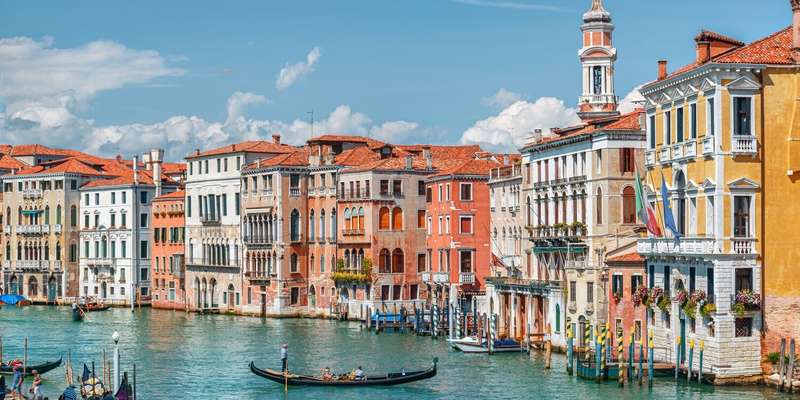
Where to find Venice's vanishing artisan traditions
The clink of glassworking tools still echoes through Dorsoduro's backstreets, where fourth-generation maestri teach ancient techniques at open-door bottegas. Unlike Murano's staged demonstrations, these authentic workshops like Vetro Vero let you witness creations born from 800°C furnaces without the tour groups. Similarly, the lace-making school on Burano Island welcomes visitors who arrive before noon to see elderly merlettaie crafting intricate patterns just as their great-grandmothers did. These living museums charge no entry fees, but purchasing directly from artisans ensures these crafts survive. For leather-bound journals made with 16th-century methods, seek out Legatoria Polliero near Campo Santa Margherita, where the scent of aging paper lingers in the air.
UPDATES FOR YEAR 2026
Sustainable Access and Digital Entry: Navigating Current Visitor Regulations
Navigating the lagoon now requires pre-travel digital authorization to manage the city's delicate ecosystem. For the current season, a mandatory 'Contributo di Accesso' (Access Contribution) applies to day visitors aged 14 and over on 60 designated peak dates between April and July. To avoid potential fines, travelers entering the historic center between 8:30 AM and 4:00 PM must obtain a personal QR code via the official municipal portal. A tiered pricing structure is now in place: booking at least four days in advance provides a lower rate, while last-minute or same-day access is charged at a premium. Importantly, while overnight guests are exempt from the fee, they must still register online to obtain an exemption QR code to show at transit checkpoints such as Santa Lucia station or Piazzale Roma.
View all Tours
How to experience Venetian festivals like a local
Venetians mark time by unique celebrations most visitors never witness. The Redentore Festival in July sees the Giudecca Canal transform into a floating banquet of decorated boats, where families share feasts under fireworks – join by reserving a traghetto spot weeks ahead. Come September, the Historic Regatta's colorful 15th-century costumes parade along the Grand Canal before the rowing competition; secure a fondamenta viewpoint early morning. For an intimate alternative, the Festa della Sensa in May reenacts the Marriage to the Sea ceremony with the doge's golden ring, followed by neighborhood seafood feasts. These events require planning but reward with unfiltered cultural immersion far removed from Carnival's tourist crowds.
View all Tours
Secret bacari trails for authentic cicchetti culture
Venice's bacari wine bars hide in plain sight, their marble counters piled with creative cicchetti beyond the standard fried fare. Avoid the Rialto tourist traps by following the 'ombra longa' trail – locals' term for a progressive bar crawl through Cannaregio. Start at Al Timon where fishermen debate over cuttlefish ink crostini, then follow the scent of truffle-infused Montasio cheese to Osteria al Squero near the gondola workshop. The real magic happens standing at the counter, where €3 spritzs come with stories from regulars. For a morning variant, join the market vendors at All'Arco for cappuccino paired with their legendary fig-and-prosciutto sandwiches. These spots rarely appear on maps, but their faded signs mark the heart of Venetian social life.
View all Tours
Unlocking Venice's musical heritage beyond Vivaldi
The city's soundscape holds secrets from medieval choral music to avant-garde opera productions. Skip the expensive concert halls for the free Friday organ recitals at Madonna dell'Orto church, where Tintoretto's masterpieces provide the backdrop. The Scoletta dei Calegheri occasionally opens for lute performances in the very room where Venice's shoemakers' guild met since 1462. For contemporary twists, the Teatro Junghans on Giudecca repurposes an old glass factory into an experimental music space with canal-side aperitivo. Those willing to venture to Mestre can attend rehearsals of the Fenice orchestra at reduced prices – the 20-minute vaporetto ride rewards with world-class acoustics without Venice's premium.
View all Tours
FAQ 2026
What are the specific dates for the Venice access fee in 2026?
The access fee is required on 60 designated peak days in 2026, primarily weekends and public holidays from early April through late July, specifically for entries between the hours of 8:30 AM and 4:00 PM.
How much does it cost to enter the historic center of Venice in 2026?
In 2026, the fee is €5 per person if booked at least four days before your arrival; the price increases to €10 for bookings made within three days of the visit or on the day of entry.
Do I need to register for an entry code if I have a hotel reservation in Venice in 2026?
Yes, even though overnight guests in 2026 do not pay the daily fee, you must still register on the official city portal (cda.ve.it) to obtain a QR code that confirms your exemption during random local inspections.
Written by Venice Tours Editorial Team & Licensed Local Experts.
Last updated: 24/02/26
