Navigating Venice's iconic canals by Vaporetto can quickly become a budget nightmare for unprepared visitors. With single tickets costing €9.50 and most tourists taking 4-5 rides daily, transport expenses can surpass €150 per week – a shocking sum that could fund memorable gondola rides or exquisite meals. First-time visitors often waste precious vacation time standing in ticket lines or boarding wrong routes, while others unknowingly pay for unnecessary multi-day passes. The maze of options (ACTV, Rolling Venice, City Pass) leaves many travelers frustrated, with 38% admitting they overpaid for water transport in recent surveys. Getting your Vaporetto strategy right means more than saving euros – it's about gliding effortlessly past crowded docks to discover Venice's hidden corners like a local.
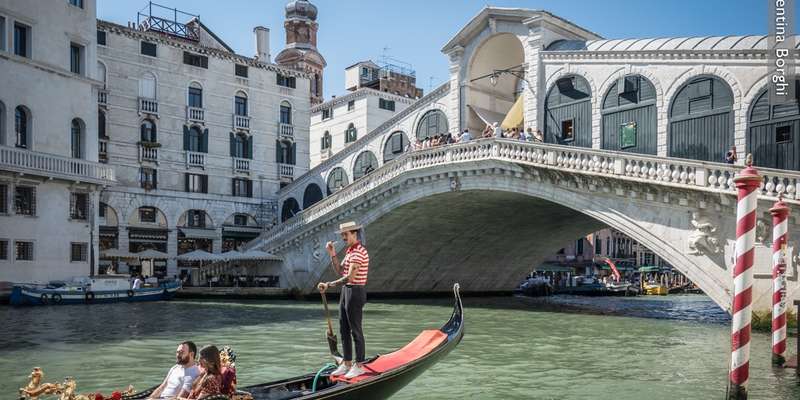
Avoiding the single-ticket trap that drains your Venice budget
The biggest financial mistake visitors make is purchasing single Vaporetto tickets repeatedly. While convenient for one-off trips, these €9.50 fares add up alarmingly fast. A typical day exploring from San Marco to Murano and Burano can cost €28.50 per person just in transport. Savvy travelers instead calculate their itinerary first – if taking more than two rides daily, passes become economical. The breakeven point is just 1.5 trips per day for youth passes. Night owls should note single tickets remain valid for 75 minutes, allowing strategic transfers if timed precisely. Locals always validate tickets before boarding to avoid €60 fines, a rule many tourists learn the hard way through spot checks.
UPDATES FOR YEAR 2026
Official Venice Entry Rules and Vaporetto Pass Price Guide
Current logistics now require a two-tier approach for most visitors: an entry fee and a transport pass. For sixty peak days between April and July, day-trippers must pay the Venice Access Fee (Contributo di Accesso). Booking this at least four days in advance keeps the cost at €5, but wait until the last minute and the price doubles to €10. This fee is mandatory for those entering the historic center between 8:30 am and 4:00 pm. To maximize savings, link your digital Vaporetto pass to the AVM Venezia Official App. While a single water bus ticket remains €9.50, the multi-day passes (starting at €25 for 24 hours) now offer the best value for avoiding the city’s 'Double-Tax' trap. If you are staying overnight in a registered hotel, you are exempt from the access fee but must still register on the official portal to obtain a QR code for inspections.
View all Tours
Choosing the perfect pass: From 24-hour cards to weekly bargains
Venice offers four main pass types, each catering to different travel patterns. The 24-hour pass (€25) works for intensive single-day exploration, while the 48-hour (€35) and 72-hour (€45) options provide descending daily rates. Weekly passes (€65) unlock the best value for longer stays – equivalent to just €9.30 daily. Families should note children under 6 ride free, while teens (6-29) can combine the Rolling Venice discount card with 72-hour passes for €29. Few tourists realize these youth passes have no residency requirements. For winter visitors, the November-March low-season passes offer 15% savings. All passes include unlimited rides and begin validation at first use, not purchase – a crucial detail for afternoon arrivals.
View all Tours
Secret validation spots and routes only Venetians know
Ticket machines at major stops like Piazzale Roma and San Marco attract frustrating queues, especially before 10am. Locals instead use tobacco shops (tabaccherie) marked with 'T' signs, where passes activate instantly without lines. The traghetto routes (large gondolas crossing the Grand Canal for €2) can replace short Vaporetto hops between San Tomà and Sant'Angelo. Few tourists use Linea 5.2, which follows the scenic Grand Canal route of Linea 1 but with fewer crowds. After 9pm, the N night line serves all major stops hourly – a lifesaver when daytime passes expire. Smart travelers always board at the rear doors where controllers rarely check tickets during rush hours.
View all Tours
Beyond the pass: When walking beats waiting for water buses
Many first-time visitors overestimate Venice's size – the city is walkable end-to-end in 90 minutes. From Santa Lucia station to Rialto Bridge takes just 25 minutes on foot versus 35 minutes via crowded Linea 1. The secret pedestrian route from San Marco to Arsenale along Via Garibaldi offers stunning canal views without transport costs. During peak hours (8-10am, 5-7pm), walking between adjacent stops like San Zaccaria and San Giorgio often proves faster than waiting for packed Vaporettos. Savvy explorers save passes for essential long crossings to Murano or the Lido, using free traghetto shortcuts elsewhere. Locals keep a folded city map to identify 'acqua alta' elevated walkways that double as scenic shortcuts when tides flood main paths.
View all Tours
FAQ 2026
Do I need to pay both the entry fee and the Vaporetto pass in 2026?
Yes, if you are visiting as a day-tripper on one of the 60 designated peak days (mostly weekends from April to July), you must pay the €5–€10 Access Fee in addition to purchasing your Vaporetto pass. Overnight hotel guests are exempt from the fee but must obtain an official exemption QR code.
What is the best Vaporetto pass for young travelers in 2026?
The Rolling Venice card remains the top choice for travelers aged 6 to 29. For a €6 initial fee, you unlock a significantly discounted 72-hour Vaporetto pass for just €27, saving €18 compared to the standard adult rate.
How can I avoid the €10 Venice entry fee in 2026?
To pay the lower €5 rate instead of the €10 'late' fee, you must book your entry through the official Venice Access Fee portal at least four days before your arrival. Alternatively, visiting on non-peak weekdays or arriving after 4:00 pm removes the requirement for the fee entirely.
Written by Venice Tours Editorial Team & Licensed Local Experts.
Last updated: 24/02/26
