Venice's labyrinthine alleys and centuries-old monuments hold stories most visitors never hear. Over 30 million tourists flood the city annually, yet 72% leave without understanding the true significance of what they've seen according to recent surveys. The frustration of following generic audio guides or being herded in overcrowded groups often overshadows the magic of Venice's Byzantine heritage, maritime empire legacy, and architectural marvels. Standing in St. Mark's Square, you might wonder about the stolen relics beneath your feet or the political intrigues behind those golden mosaics – questions most rushed itineraries never address. This disconnect between expectation and experience leaves many travelers feeling they've merely scratched the surface of La Serenissima's layered history.
Navigating Venice's overcrowded landmarks without the frustration
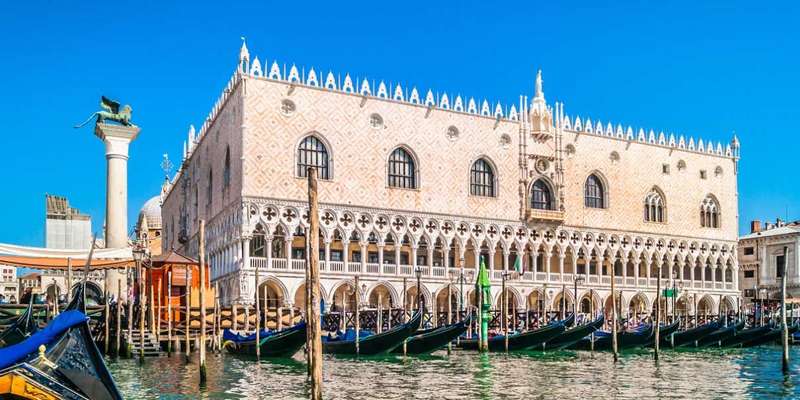
The perpetual queues at St. Mark's Basilica and Doge's Palace test even the most patient travelers, with peak wait times exceeding two hours. Savvy visitors know the secret lies in understanding Venice's dual rhythm – the tidal flow of cruise ship crowds versus local living patterns. Arriving right at opening often backfires as this aligns with organized tour groups. Instead, target the 'shoulder moments': late afternoons when day-trippers retreat or early evenings during cultural events that distract the masses. Certain lesser-known entrances, like the Palazzo Ducale's Porta del Frumento, frequently have shorter lines despite providing access to the same breathtaking halls where Casanova was imprisoned. The basilica's free entry policy creates bottlenecks, while paid skip-the-line options for the palace remain underutilized by those unaware of their time-saving value.
UPDATES FOR YEAR 2026
Essential Venice Access Updates: New Entry Fees and Booking Rules
Navigating the ancient city now requires digital compliance with the 'Contributo di Accesso' (Access Fee) system. On designated peak days, day-trippers must secure a QR code via the official portal before entering the historic center to avoid significant fines. Furthermore, crowd management has evolved: St. Mark’s Basilica has largely replaced its free-entry queue with a mandatory online reservation system during high-traffic hours. At the Doge’s Palace, tickets are now strictly nominative, meaning the name on the ticket must match your identification. These logistical shifts are designed to mitigate the 'tidal flow' of crowds mentioned below, making pre-departure digital registration the most critical step in your itinerary.
View all Tours
Decoding Venice's architectural secrets with expert insight
Venice's unique construction techniques – millions of wooden piles driven into lagoon mud – become fascinating when explained by those who understand the city's symbiotic relationship with water. Specialized guides can point out how the 'vera da pozzo' wellheads disguised Venice's ancient rainwater collection system, or why Gothic palazzi have distinctive pointed arches adapted from Islamic traders. At Ca' d'Oro, the lace-like facade reveals Venetian merchants' competitive displays of wealth, while the Basilica dei Frari's wooden choir stalls hide a musical secret known only to locals. These aren't just buildings; they're time capsules of maritime republic ingenuity. For deeper immersion, some historians offer exclusive access to normally closed areas like the attic above St. Mark's golden domes, where the original Horses of Constantinople once stood.
View all Tours
Authentic canal experiences beyond the gondola clichés
While gondolas dominate Instagram feeds, Venice's waterways hold richer traditions most tourists miss. The city's last remaining squero (gondola workshop) in Dorsoduro offers free viewing of craftsmen shaping the asymmetrical boats using techniques unchanged since the 1600s. For a more immersive alternative to expensive private gondola rides, consider the traghetto – a budget-friendly shared gondola crossing operated by standing rowers that locals still use daily. At certain times, retired gondoliers give demonstrations of the 'remo a la valesana' rowing style near the Punta della Dogana. Evening kayak tours led by historians provide unparalleled access to silent canals where palace foundations reveal submerged Byzantine brickwork patterns invisible during crowded daylight hours.
View all Tours
Uncovering Venice's hidden historical neighborhoods
Escape the San Marco crowds by exploring Cannaregio's Jewish Ghetto where Shakespeare's Shylock walked, or Castello's shipyard area where Marco Polo's expeditions were prepared. Few tourists venture to San Pietro di Castello, the original cathedral site with its leaning campanile and ancient Greek columns repurposed from Constantinople. Local historians can show you the Armenian Quarter's secret gardens or point out the Moorish influences in Santa Maria dei Miracoli's inlaid marbles. These areas not only offer respite from mass tourism but showcase Venice's multicultural DNA – from Byzantine refugees to German merchants – that shaped its unique identity. Evening walking tours here often include spontaneous encounters with artisans keeping traditional crafts alive in hidden botteghe workshops.
View all Tours
FAQ 2026
Do I need to pay a fee to enter Venice in 2026?
Yes, day-trippers visiting on specific peak dates in 2026 must pay the 'Contributo di Accesso' (Access Fee) and obtain a QR code. Travelers staying overnight in hotels within the Venice municipality are exempt from the fee but must still register online to receive an exemption certificate.
What are the ticket requirements for St. Mark's Basilica in 2026?
In 2026, timed-entry reservations are the standard for visiting St. Mark's Basilica. It is highly recommended to book your 'Skip-the-Line' ticket at least two weeks in advance, as manual queues are frequently capped or restricted to protect the site from overcrowding.
Are there new rules for cruise ship arrivals in Venice for 2026?
As of 2026, large cruise ships remain diverted from the Giudecca Canal and the historic center. Passengers now arrive via the Marghera industrial port and use eco-friendly shuttle transfers to reach the Zattere or Tronchetto areas, significantly changing the arrival logistics for maritime travelers.
Written by Venice Tours Editorial Team & Licensed Local Experts.
Last updated: 24/02/26
