Venice's 400+ bridges form the arteries of this floating city, yet most visitors miss their hidden significance. Over 30 million annual tourists crowd the Rialto without realizing 85% of Venetian bridges have untold Renaissance-era stories. The frustration of elbowing through packed crossings only to miss perfect photo opportunities ranks among top complaints in visitor surveys. Locals know these arched masterpieces hold time-saving navigation secrets and vantage points unknown to guidebooks. Understanding bridge features transforms your experience from chaotic crossings to cultural immersion.
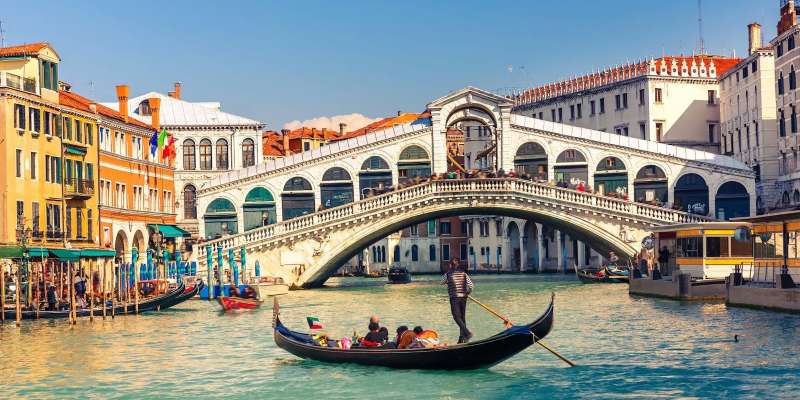
Why Venetian bridges curve unexpectedly – and how to use this to your advantage
The distinctive humpback shapes of Venetian bridges weren't designed for aesthetics alone. These curves served practical purposes during the Republic's peak – allowing gondolas to pass underneath while providing structural stability in the soft lagoon soil. Today, this architectural quirk offers clever shortcuts. Bridges like Ponte dei Pugni angle deliberately toward lesser-known alleys that bypass tourist crowds. Watch for worn stone grooves along parapets; these mark centuries-old trade routes still used by delivery boats. Standing at the apex of a curved bridge like Ponte de l'Arco lets you spot multiple canal entrances simultaneously, perfect for orienting yourself without pulling out a map.
View all Tours
Finding secret bridge viewpoints even locals forget about
While everyone jostles for space on Rialto's main platform, the true magic happens at lesser-known bridges with dual perspectives. Ponte Chiodo, one of Venice's last bridge without parapets, offers unobstructed dawn views when the canals mirror pastel facades. For photographers, the iron railings of Ponte dei Tre Archi create natural frames for Santa Lucia church at golden hour. Don't overlook small footbridges in Cannaregio – their lower heights provide rare water-level vantage points to capture gondolas gliding beneath you. Pro tip: Bridges connecting to fondamenta (wide walkways) like Ponte delle Guglie have extended platforms where you can set up tripods without blocking foot traffic.
View all Tours
The truth about bridge accessibility – and comfortable alternatives
Venice's iconic stair-stepped bridges pose real challenges for mobility-impaired travelers or parents with strollers. Only four bridges – including Calatrava's controversial modern addition – have ramps. However, the city's vaporetto network cleverly compensates. Lines 1 and 2 stop at key points where bridges cluster, letting you admire them from water level instead of climbing. For walking routes, seek out 'bridge chains' like the sequence near San Zaccaria where gradual inclines alternate with flat fondamenta. Locals use these pathways when transporting heavy goods – follow their lead to avoid the steepest steps while still experiencing authentic canal crossings.
UPDATES FOR YEAR 2026
New Access Rules and Smart Navigation for Venetian Bridge Explorers
As the city refines its management of delicate infrastructure, navigating the bridge network now requires specific logistical preparation. Travelers must navigate a tiered Access Fee system, where booking entry at least four days in advance reduces the cost from €10 to €5. This fee is mandatory for day-trippers on sixty designated peak days between April and July, during the window of 8:30 AM to 4:00 PM. Beyond financial prep, bridge density is now monitored in real-time by the Smart Control Room, which uses 3D sensors to manage pedestrian flow on iconic crossings like the Rialto. To avoid disruption, use the official city portal for QR code registration, which remains necessary even for exempt overnight guests. Additionally, be aware that strict decorum regulations are in effect: sitting on bridge steps or embankments is strictly prohibited and carries immediate fines to ensure pathways remain clear for the city's flow.
View all Tours
Bridge stones that whisper Venice's maritime history
The materials under your feet tell stories as vivid as any museum. Istrian stone on prestigious bridges like Rialto resisted salt erosion, while brickwork on residential crossings reveals neighborhood trade histories. Run your fingers along Ponte dei Dai's rust-colored rails – these are salvaged ship nails from the Arsenale's naval workshops. Even wear patterns matter: deeply grooved steps on Ponte de la Guerra mark centuries of merchants dragging goods to the Rialto markets. Early morning, when shadows accentuate textures, you'll spot marble inserts on Ponte del Paradiso that guided blind priests safely to church. These details transform every crossing into a tactile history lesson.
View all Tours
FAQ 2026
Do I need to pay an access fee to visit Venice's bridges in 2026?
Yes, if you are a day-tripper visiting on any of the 60 designated peak days between April and July 2026, you must pay an access fee. The cost is €10, but it is reduced to €5 if you book your QR code through the official portal at least four days before your arrival.
What are the current vaporetto ticket prices for exploring bridges in 2026?
In 2026, a single 75-minute vaporetto ticket costs €9.50. For travelers planning to visit multiple bridges, a 24-hour travel card for €25.00 offers a more cost-effective way to navigate the canal network and access secondary islands.
Are there specific fines for sitting on bridges in Venice during 2026?
Yes, in 2026, city wardens strictly enforce rules against sitting on bridge steps, monuments, or canal embankments to prevent congestion. Violations can result in fines starting at €50, as part of the city's effort to manage peak pedestrian traffic.
Written by Venice Tours Editorial Team & Licensed Local Experts.
Last updated: 24/02/26
