Exploring Venice's rich history can be overwhelming for travelers. With over 20 million visitors annually, the city's iconic landmarks often feel overcrowded, turning what should be a magical journey through time into a stressful shuffle through packed piazzas. Many visitors leave without ever discovering the stories behind the Gothic palaces or understanding the Republic's maritime empire that shaped European history. The frustration of long lines and superficial experiences leads 68% of cultural travelers to report dissatisfaction with major Venetian attractions, according to recent tourism surveys. Hidden courtyards, lesser-known artisan workshops, and centuries-old bacari (wine bars) frequented by locals hold the authentic Venetian spirit most travelers miss. Without local knowledge, you risk experiencing only a postcard version of Venice's 1,600-year history.
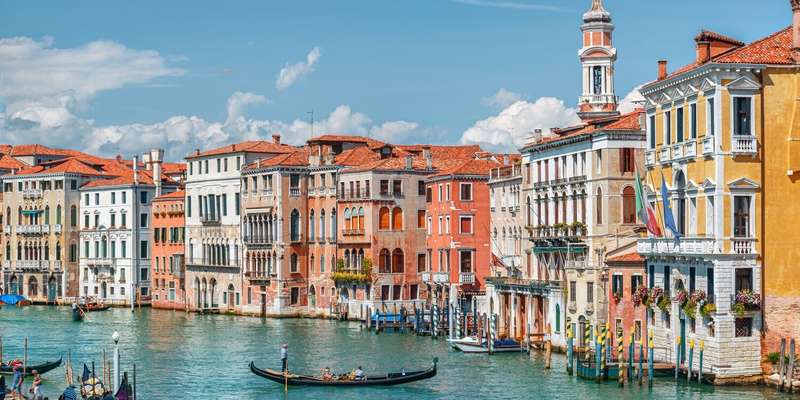
Avoiding the crowds at major historical sites
Venice's most famous landmarks like St. Mark's Basilica and the Doge's Palace attract peak crowds between 10am and 2pm, creating hour-long queues that eat into precious exploration time. Savvy travelers visit these sites during the golden hours – either at opening time (8:30am for the Basilica) or during the last entry slots when tour groups have dispersed. The Bridge of Sighs view is equally breathtaking from the Ponte della Paglia at dusk, without the midday scramble. Many don't realize that Doge's Palace tickets remain valid for three months, allowing return visits during less crowded periods. For those preferring complete solitude, the nearby Museo Correr offers equally magnificent Renaissance art in near-empty galleries, with panoramic terrace views over St. Mark's Square few tourists ever see.
UPDATES FOR YEAR 2026
Essential Entry Protocols and New Access Fee Regulations
Navigating the city now requires adherence to a digital access system aimed at managing peak visitor numbers. On designated high-traffic days during the spring and summer, day visitors must secure a Contributo di Accesso (Access Fee) via the official municipal portal. A dynamic pricing model is in effect: booking at least four days in advance secures a reduced rate, while last-minute registrations incur a higher cost. While those staying overnight in local accommodations are exempt from the fee, they are still required to register for a mandatory exemption QR code to show at checkpoints like the train station and bus terminals. Furthermore, new regulations have capped organized tour groups at 25 participants and banned the use of loudspeakers to preserve the city’s acoustic environment and reduce pedestrian bottlenecks.
View all Tours
Decoding Venice's architectural timeline
Venice's layered history reveals itself through distinct architectural styles often overlooked by hurried visitors. The Byzantine domes of St. Mark's (9th-12th century) contrast sharply with the Gothic pinnacles of Doge's Palace (14th century), while Renaissance palazzos along the Grand Canal showcase wealth from the spice trade. Local historians recommend focusing on specific eras per district – the Arsenale area demonstrates Venice's naval might through its 12th-century shipyards, while Dorsoduro's Zattere promenade displays 18th-century prosperity in pastel-colored warehouses. Free city maps from tourist offices highlight these chronological trails, but docent-led walks (available through authorized cultural associations) provide deeper context about how Venetian architects adapted to sinking foundations and salt erosion – challenges unique to this lagoon city.
View all Tours
Secret histories in Venice's residential districts
Beyond San Marco's golden mosaics lie working-class neighborhoods where Venetian life has continued unchanged for centuries. Cannaregio's Jewish Ghetto, established in 1516, tells stories of persecution and resilience through its synagogues and memorial plaques. In Castello, the Scuola di San Giorgio degli Schiavoni hides Carpaccio's vivid 16th-century paintings of saintly legends behind an unassuming facade. These areas reward visitors with authentic bacari serving cicchetti (Venetian tapas) at local prices, often near significant but unmarked historical sites. A little-known trick is following the 'Via dei Mercanti' street signs – these mark ancient trade routes where merchants once sold spices and silks, now dotted with family-owned mask workshops and marble wellheads from the 1300s.
View all Tours
Navigating Venice's museum maze like a pro
Venice's 50+ museums and historic churches employ varying ticketing systems that confuse even seasoned travelers. The Chorus Pass (€12) grants access to 18 significant churches with masterpieces by Titian and Tintoretto, while the Museum Pass covers civic collections for €39. However, many smaller institutions like the Querini Stampalia Foundation (with its intact 18th-century library) aren't included. Locals suggest prioritizing based on your interests – naval history enthusiasts should head to the Museo Storico Navale's treasure trove of gondola designs and Admiral's maps, while art lovers will find Bellini's luminous Madonnas at the Accademia Gallery. Free admission days (usually first Sundays monthly) draw big crowds, making the small surcharge for timed tickets worthwhile during peak seasons.
View all Tours
FAQ 2026
On which dates is the Venice access fee mandatory in 2026?
For 2026, the entry fee applies on 60 specific peak days between April 3 and July 26, specifically for visitors entering the historic center between 8:30 and 16:00. This primarily covers weekends and public holidays.
What are the tour group size limits in Venice for 2026?
In 2026, tour groups are strictly limited to a maximum of 25 people (excluding children under two) to reduce congestion in narrow walkways. Additionally, the use of loudspeakers by guides is prohibited city-wide.
Do overnight hotel guests need to register for the Venice access portal in 2026?
Yes, although overnight guests are exempt from paying the daily fee in 2026, they must still register on the official portal (cda.ve.it) to obtain a QR code that proves their exemption during random inspections.
Written by Venice Tours Editorial Team & Licensed Local Experts.
Last updated: 24/02/26
