Navigating Venice's San Polo district often leaves travelers overwhelmed by its labyrinthine alleys and crowded hotspots. Over 60% of visitors miss the area's authentic charm by sticking to main routes, according to recent tourism studies. The frustration of wasted time circling dead-end canals or queuing at overpriced trattorias can sour what should be a magical Venetian experience. Locals know the quiet campielli where laundry flutters between medieval buildings, the bacari serving perfect cicchetti since the 1950s, and the traghetto crossings that save €80 on gondola rides. This hidden Venice exists just steps away from the Rialto Bridge's selfie sticks, yet most travelers never discover it amid the stress of navigating Italy's most confusing (and rewarding) neighborhood.
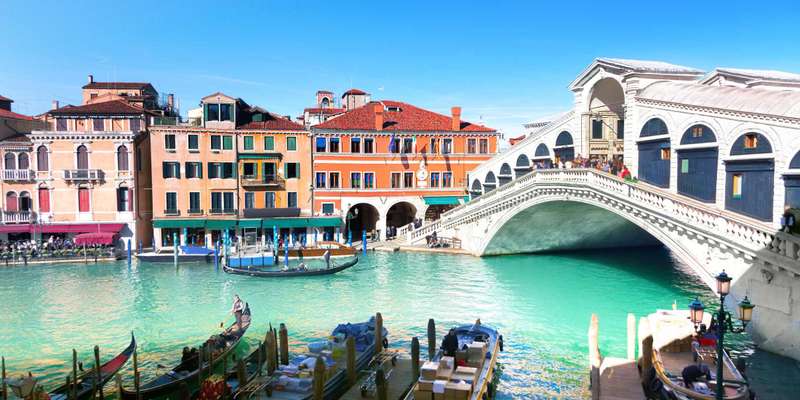
Escaping the Rialto crowds – quiet alleyways only locals use
The moment you step under the Rialto Bridge's arches, a paradox emerges – while 90% of visitors cluster within 200 meters of the bridge, San Polo's most enchanting spots lie in the opposite direction. Venetian residents avoid the Merceria thoroughfare like the plague during daylight hours, instead cutting through Calle dei Botteri toward Campo San Aponal. This quiet square with its 9th-century church becomes a sun-dappled oasis by mid-morning, where you'll find elderly men playing scopa beneath the bell tower. For true solitude, follow the faded yellow signs to 'Sacca della Misericordia' – a dead-end canal where gondolas are actually built. The rhythmic hammering of squerarioli craftsmen provides the perfect soundtrack for escaping Venice's Disneyland vibe. Pro tip: These routes become navigational lifelines when cruise ship crowds peak between 11am-3pm.
UPDATES FOR YEAR 2026
Essential Access Rules and Navigational Updates for Modern Travelers
Navigating the historic heart of Venice now requires a digital-first approach to bypass new logistical hurdles. On designated peak days between April and July, day visitors must secure a digital access voucher via the official city portal before entering the San Polo district. Securing this QR code at least four days in advance offers a significant discount, whereas last-minute registrations incur a higher fee. Even if you are staying overnight in a local hotel, you are required to register for an exemption certificate to avoid fines during random spot checks. Furthermore, to preserve the district's characteristic quiet, tour groups are now strictly capped at 25 participants, and the use of megaphones is prohibited. Travelers should also note that standard private gondola rates have adjusted to approximately €90 for daytime rows, making the local traghetto crossings even more vital for those seeking a budget-friendly transit across the Grand Canal.
View all Tours
Cicchetti like a Venetian – where to eat beyond the tourist traps
San Polo's bacari (wine bars) reveal Venice's soul through bite-sized cicchetti, but most visitors never taste authentic versions. The difference? Locals judge spots by their polpette (meatballs) – if they're pre-made and sitting under heat lamps, keep walking. All' Arco near Rialto Market still hand-forms theirs daily using the fishmonger's catch, served on wax paper since 1956. For the ultimate test, order sarde in saor – this sweet-sour sardine dish should balance raisins and pine nuts perfectly, not drown in vinegar like many tourist-serving versions. Time your visit like a pro: arrive at 10:30am when chefs refresh spreads for lunch, or 5pm when workers grab pre-dinner snacks. Stand at the counter with an ombra (glass) of Veneto wine – sitting down often triples prices. Don't miss the historic Cantina Do Spade, where Casanova allegedly dined, still serving perfect baccalà mantecato on crusty bread.
View all Tours
The €2 gondola alternative – crossing the Grand Canal like a local
That €80 gondola ride seems inevitable until you discover San Polo's secret – the traghetto. These oversized gondolas operated by two oarsmen shuttle Venetians across the Grand Canal for €2, using the same techniques Marco Polo would recognize. The San Tomà traghetto (near Frari Church) offers the district's most atmospheric crossing, gliding past Palazzo Balbi's frescoes with standing room only – exactly how locals commute daily. Time it for golden hour when the water turns molten gold, and you'll capture gondola-worthy photos without the price tag. Remember: Board quickly when the crew shouts 'Premi!' (push down) to balance the boat, and hold your valuables – the 90-second ride has no seats or rails. For maximum authenticity, do as Venetians do and remain silent during the crossing, absorbing the canal's rhythm.
View all Tours
Finding San Polo's forgotten masterpieces – art beyond the Frari
While every guidebook sends visitors to the Frari Basilica's Titian masterpiece, San Polo hides quieter artistic treasures in plain sight. The Scuola Grande di San Rocco's upper hall contains Tintoretto's breathtaking ceiling cycle, yet receives 80% fewer visitors than St. Mark's Basilica. Come at opening time (9:30am) to have Caravaggio-level drama all to yourself – the gilded 'Slave's Escape' panel alone justifies the €10 entry. For free wonders, the tiny San Polo church shelters Giandomenico Tiepolo's Stations of the Cross, his chalky blues capturing Venetian light like nowhere else. Don't overlook the neighborhood's street art either – the 'Casa degli Spiriti' near Campo San Polo displays ghostly medieval frescoes on an exterior wall, unknown even to most residents. These artistic detours prove San Polo's greatest gift: revealing Venice's enduring creativity when you venture just slightly off the beaten path.
View all Tours
FAQ 2026
Do I need to pay an entry fee to visit San Polo in 2026?
Yes, on 60 designated peak days between April and July 2026, day-trippers must pay an access fee. The cost is €5 if booked at least four days in advance and increases to €10 for last-minute bookings. You must carry the resulting QR code on your phone for inspection.
What are the new 2026 regulations for tour groups in Venice?
As of 2026, all organized tour groups are limited to a maximum of 25 people. Additionally, guides are no longer permitted to use loudspeakers or megaphones in the narrow alleyways of districts like San Polo to reduce noise pollution.
How much does a traghetto crossing cost for tourists in 2026?
The price for a single crossing on a traghetto remains €2 per person for non-residents in 2026. It is highly recommended to have the exact change in coins ready to hand to the oarsman upon boarding, as they generally do not carry change.
Written by Venice Tours Editorial Team & Licensed Local Experts.
Last updated: 24/02/26
